Brave to Kōrero

A parenting tool to help guide conversations with tamariki and rangatahi around healthy relationships, consent, boundaries and more.

Te Whakariterite / Where to Start - prepare to Kōrero

Why?

We know that enhancing positive parent child relationships and communication will enhance your child’s peer to peer relationships and reduce mental health concerns
Parenting, peer relationships and mental health in the middle years | Australian Institute of Family Studies 

Before you start:

These conversation may uncover past harm or currently occurring harm. Before engaging in a discussion, read the Safety First Guide so that you are prepared.

Safety First Guide

First steps:

How to Use the Tool

Before Engaging

Child Not Talking

Choose A Topic:

Healthy Relationships

Recognising what healthy and unhealthy behaviours can look, sound, and feel like in relationships.  

Consent & Boundaries

Learn about what consent means in all areas of life and how it applies to boundaries for yourself and others.

Upstanding

[DRAFT] It takes the involvement of everyone to prevent experiencing harm.

Rauemi Ako - Resources

Talking the Talk

Various Topics

PodcastsBooks and Resources

Say it Out Loud

Healthy relationships and setting boundaries

Go

Gender Diversity

Gender Diversity | SchoolTV

Go

Sex Positive Families

Collection of resources

Go

Safe Surfer

Online Safety tools and resources for children and teens

Go

Recognising & Responding

Help, my child is at risk now

  • Stay present with your child
  • Follow the Responding guide on this page.
  • Reach out for help by contacting these services:

Support Services

  • Safe To Talk 0800 044 334
  • Tautoko Mai Sexual Harm Support 0800 227 233
  • Police 111
  • Oranga Tamariki 0508 FAMILY

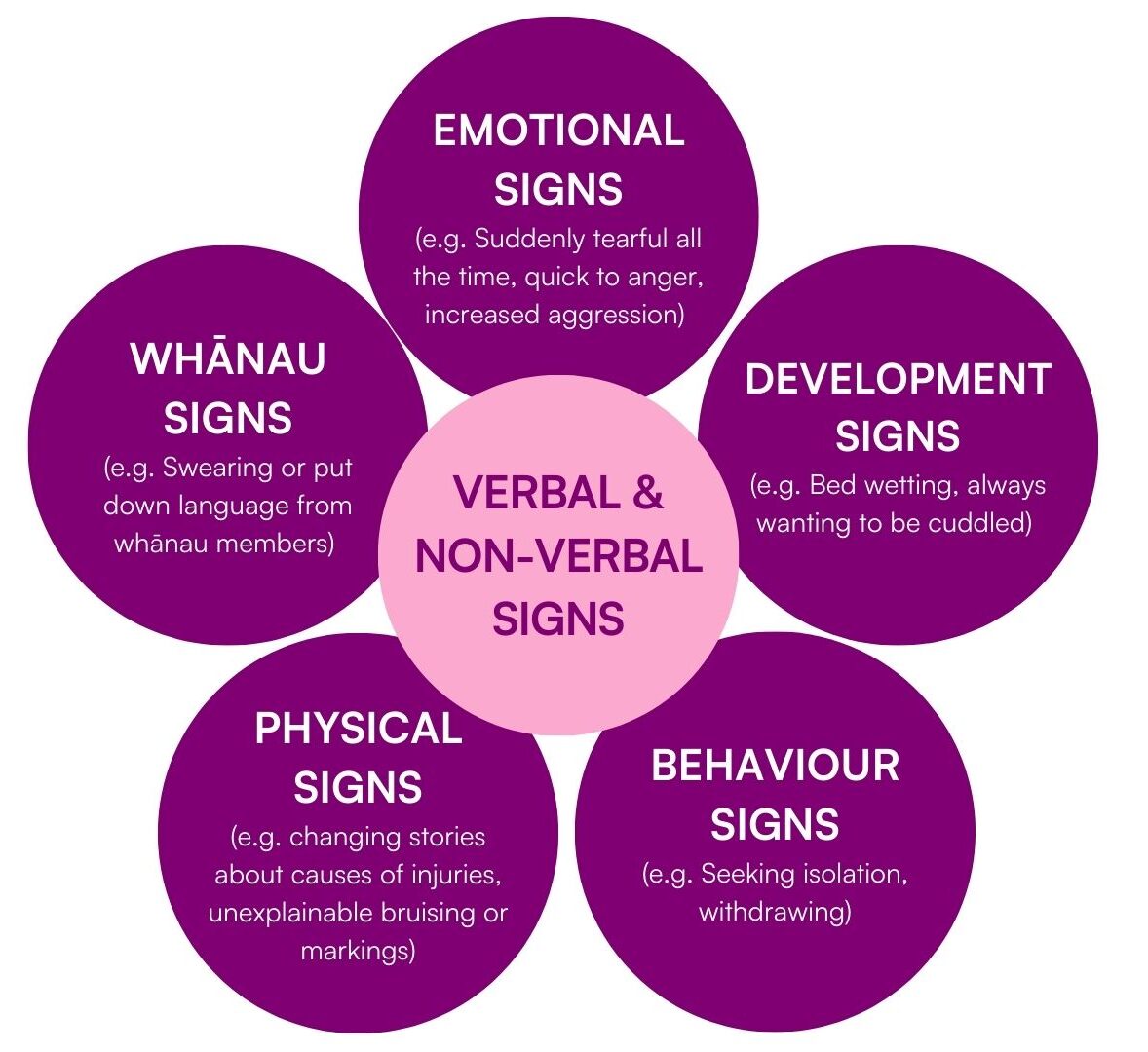
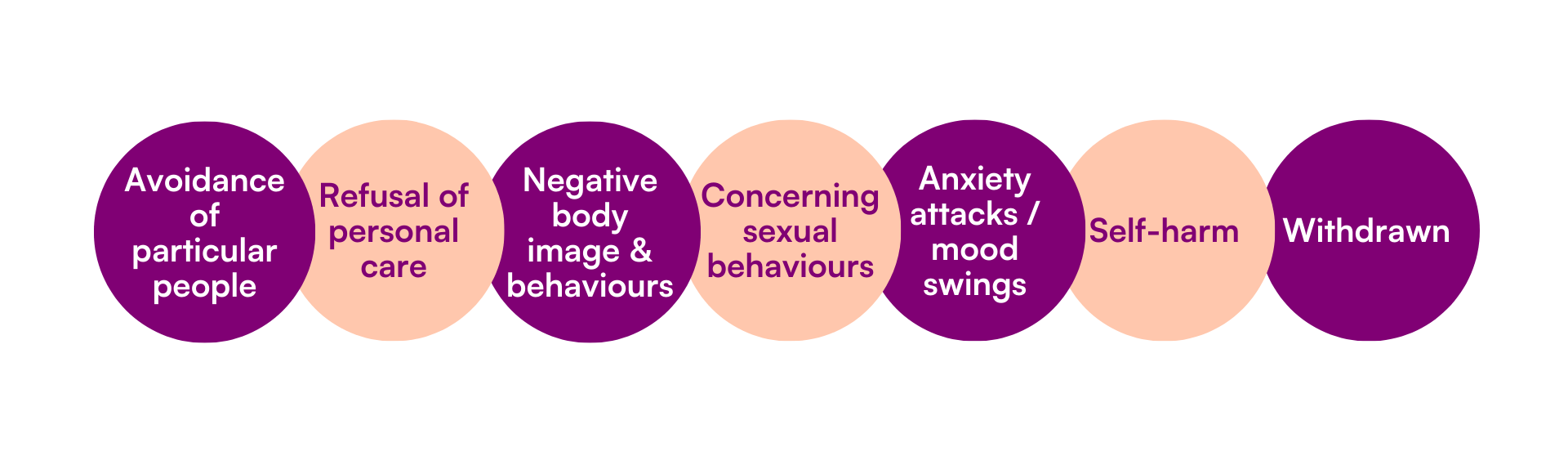
Recognising

It might also look like:

It’s also important to notice the signs from caregivers or adults in their lives.

Responding

If you see signs from your child:


Stay Calm & Listen

  • Take a deep breath
  • Don’t panic
  • Are we in a safe place to talk? or do we need to go somewhere else?
  • Silence is ok
  • Be present and totally undistracted
  • How you respond right now, will have a huge impact on your child’s healing journey – Be calm


Believe

  • “I believe you”
  • “It’s not your fault” – First response from your child when they are harmed is often to blame themself
  • It’s okay to repeat these messages “It’s not your fault” “It’s not okay that this happened to you”
  • “Thank you for telling me” – Understand the courage they have taken to tell you. Often they have been threatened to stay silent and not tell


Assess for Safety

Are they at risk of being harmed again today?

  • Where is the person that harmed them? How do they contact them? (e.g. online, text, call, meeting in park)
  • Ask “Do you feel safe?” – “What would make you feel safer?”
  • “Have you told anyone else?” “Does anyone else know?” – if so, how did they respond and what did they do?
  • Your role is not to investigate, but to understand current safety risk
  • Helpful questions could be TED questions (see link), open ended, enquiry questions
  • They may withhold information until they know you are a safe person


Options for Support

  • Seek help early
  • If no immediate risk spend time together exploring what would be helpful and overcoming barriers (e.g. Child doesn’t know services or people involved, shy, unsure how to have conversation) “I can help you” “Let’s go together” “You are not alone”
  • Let them lead and let them know they have your support
  • Ask – “What does support look like to you?”
  • Leave the door open to talk when they are ready
  • Negotiate check ins “Is it okay if I check-in every now and then?” “When/ how would you like me to do this?”
  • Let them know there are different options (link to poster)
  • They may need help connecting with support services (they may need you to take the lead – giving them as much power as possible)

How to use this tool:

After engaging with your teen and figuring out where they’re at, you can scroll through the topics and work out where might be a good place to start.  

Under each topic, you will find  

Ako/ Learn – What do you need to know/ what resources can help you 

Being brave to kōrero – Different ways to engage with your teen about the topic 

Conversation starters – Ways to start conversations around the topic 

What if’s – Scenarios to work through with your teen 

Support – where can you and/or your teen go for extra support if needed 


Q: Do you have an adult ally who you can bounce around ideas with? When engaging in new conversations, if can be helpful to find others that are also engaging in these conversations with their teens. We can share our wins, our struggles, our learnings with each other so we know we are not in this alone.  

What we need to know for engaging teens;

– Know your teen and how they like to communicate (do they like to talk in the car when side by side and not facing each other? Do they prefer phone calls or texts? Do you and your teen share reels with each other? What space/ environment do they feel most comfortable talking to you in? OR do you need to create this space and way of communicating with them first?).

– Meet them where they’re at. Go towards young people and into their spaces (e.g. if into gaming, ask them to show you how the game works, sit alongside them and ask them to teach you how to play. Spend time together doing something they enjoy e.g. watching a movie together that they choose (you provide popcorn), shooting hoops together, walking the dog, learning their crafts).

– Be curious, allow them to be the expert (e.g. “Why is you think that way?”, “Tell me more about that”, “Can you show me how to do that/ how that works?”).

– Being curious means you have to listen. Shows that you’re interested in them and their world. Understand that no matter what stage your teen is at, that is THEIR normal. It’s important to leave judgements and any shame or blame out of these conversations as these shut young people down.

– Choosing the best time If in state of conflict or fighting with your teen, they are not in the best headspace for learning and connecting with you. These things need to be resolved before engaging in this kōrero. It’s best to start in a place of calm for everyone. Also important to think about your own energy levels and knowing when you are feeling emotionally available to your children. This is when we are at our best to create safe space for this Kōrero.

Importance of closing conversations It’s important to always end these conversations with an invite for them to keep checking in and raise it again when they would like to and to have ongoing kōrero about this topic. Thanking your teen for being brave and check in about how they felt about the conversation (“Thank you, I really enjoyed that! Did that feel weird? Or How was that for you?”)

If your teen doesn't want to talk;

  1. Take a deep breath – start with listening and reflecting on feelings and experience
  2. Approach the conversation with curiosity to compassionately clarify – shift it to a values based discussion.
  3. Let them know why you care
  4. Introduce alternative stories of hope and unity
  5. Keep the conversation open if you want to. We can come back to this another time!
  6. Check out these resources


Login