
We know that enhancing positive parent child relationships and communication will enhance your child’s peer to peer relationships and reduce mental health concerns
Parenting, peer relationships and mental health in the middle years | Australian Institute of Family Studies

Recognising what healthy and unhealthy behaviours can look, sound, and feel like in relationships.
Learn about what consent means in all areas of life and how it applies to boundaries for yourself and others.
[DRAFT] It takes the involvement of everyone to prevent experiencing harm.
Support Services
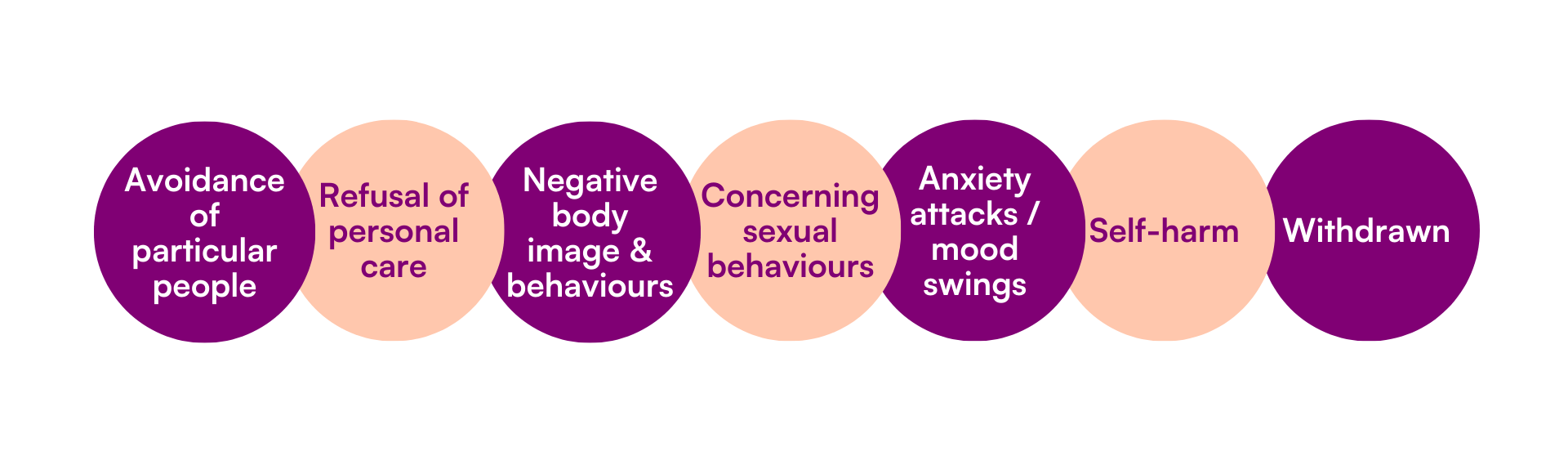
It might also look like:
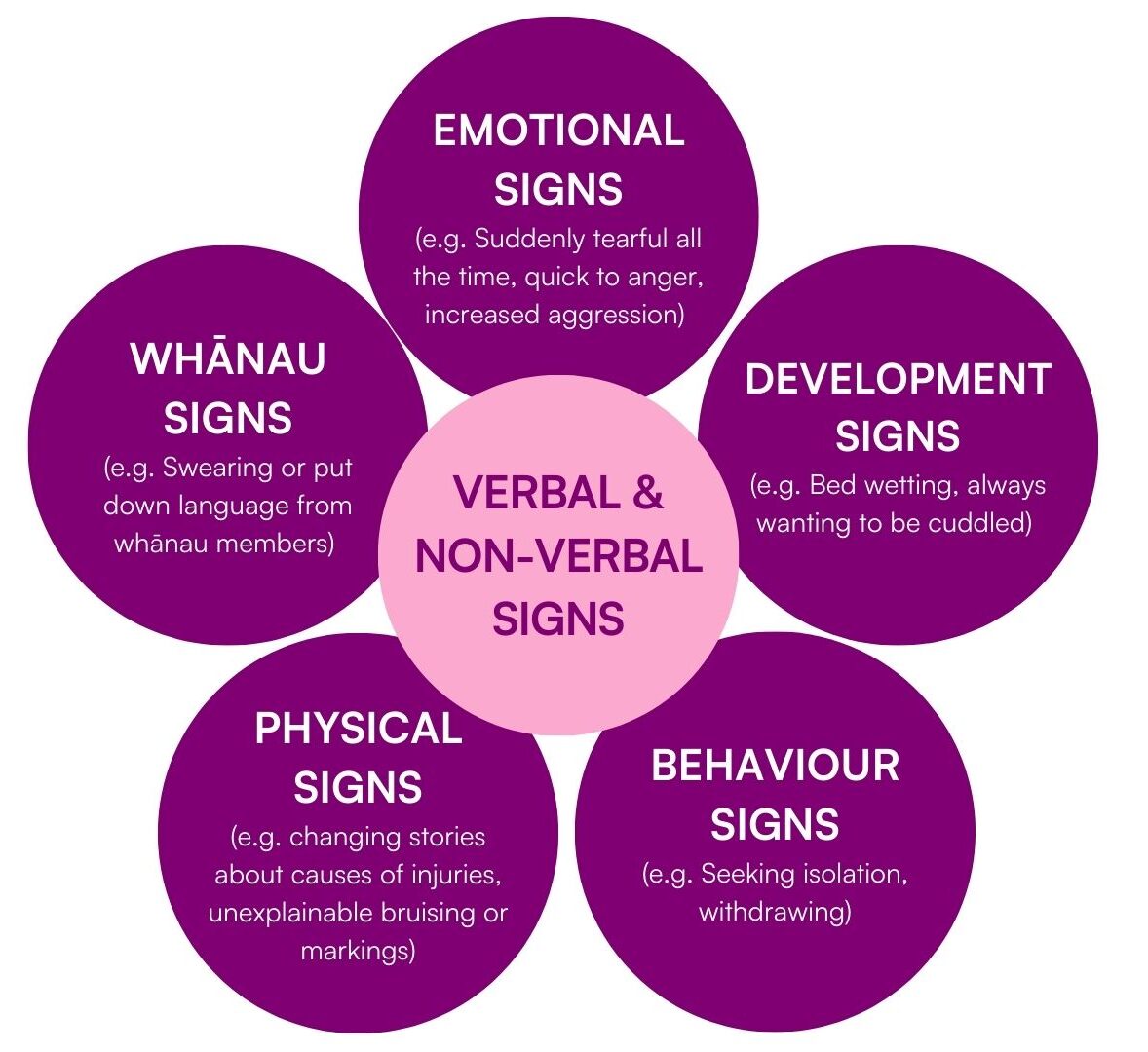
It’s also important to notice the signs from caregivers or adults in their lives.
If you see signs from your child:
Are they at risk of being harmed again today?
After engaging with your teen and figuring out where they’re at, you can scroll through the topics and work out where might be a good place to start.
Under each topic, you will find
Ako/ Learn – What do you need to know/ what resources can help you
Being brave to kōrero – Different ways to engage with your teen about the topic
Conversation starters – Ways to start conversations around the topic
What if’s – Scenarios to work through with your teen
Support – where can you and/or your teen go for extra support if needed
Q: Do you have an adult ally who you can bounce around ideas with? When engaging in new conversations, if can be helpful to find others that are also engaging in these conversations with their teens. We can share our wins, our struggles, our learnings with each other so we know we are not in this alone.
– Know your teen and how they like to communicate (do they like to talk in the car when side by side and not facing each other? Do they prefer phone calls or texts? Do you and your teen share reels with each other? What space/ environment do they feel most comfortable talking to you in? OR do you need to create this space and way of communicating with them first?).
– Meet them where they’re at. Go towards young people and into their spaces (e.g. if into gaming, ask them to show you how the game works, sit alongside them and ask them to teach you how to play. Spend time together doing something they enjoy e.g. watching a movie together that they choose (you provide popcorn), shooting hoops together, walking the dog, learning their crafts).
– Be curious, allow them to be the expert (e.g. “Why is you think that way?”, “Tell me more about that”, “Can you show me how to do that/ how that works?”).
– Being curious means you have to listen. Shows that you’re interested in them and their world. Understand that no matter what stage your teen is at, that is THEIR normal. It’s important to leave judgements and any shame or blame out of these conversations as these shut young people down.
– Choosing the best time If in state of conflict or fighting with your teen, they are not in the best headspace for learning and connecting with you. These things need to be resolved before engaging in this kōrero. It’s best to start in a place of calm for everyone. Also important to think about your own energy levels and knowing when you are feeling emotionally available to your children. This is when we are at our best to create safe space for this Kōrero.
Importance of closing conversations It’s important to always end these conversations with an invite for them to keep checking in and raise it again when they would like to and to have ongoing kōrero about this topic. Thanking your teen for being brave and check in about how they felt about the conversation (“Thank you, I really enjoyed that! Did that feel weird? Or How was that for you?”)