

When we think about harm prevention for our young people, there is a massive spotlight on education. There is pressure on health teachers to be teaching the ‘right’ messaging about relationships, and even more pressure on the government to provide answers through updated RSE guidelines. I do not disagree with the idea that education plays a role in preventing harm for our young people. However, I believe for prevention to really be effective, we need to look wider than a health classroom and sessions on relationships and sexuality education.
Many times, I have been into schools to deliver ‘healthy relationship’ education. To have discussions with students about what is healthy in a relationship and what isn’t. What consent sounds, looks and feels like. The importance of challenging harmful stereotypes and having freedom of expression. Yes, these are all messages that support the prevention of harm. However, I use the term ‘support’ because I believe that’s what the role of these messages should play in the bigger picture.
When I talk about the bigger picture, I’m talking about all the people who play a role in those students’ lives once they leave the classroom of a ‘healthy relationship education’ lesson. Every single one of these people, be it a peer, teacher, principal, family member, sports coach, etc., has a role to play in creating a community free of harm. If it’s feeling like that’s a lot of responsibility, that’s because it is. But here’s the good news, you do not have to be an expert to create change.
Change comes from the small day-to-day moments and the messages we send to our young people through our words, actions and attitudes toward one another.
Think about the following statements.
“What did you expect?”
“Toughen up”
“That’s so gay”
You may be thinking, what’s the big deal? You may have heard or said them as a joke or off-handed comment and not thought twice about it. The truth is, they are so much more than that. Research constantly shows us, that in order to prevent sexual harm in communities we must address the foundations that allow harm to exist.
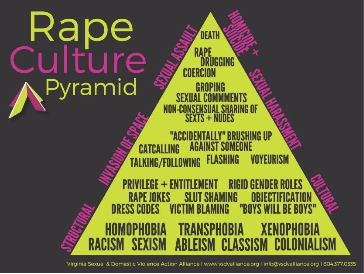
If you haven’t made the connection yet, have a look back at those comments and how they may feed into this culture of harm.
“What did you expect?” – victim blaming
“Toughen up” – rigid gender roles
“That’s so gay” – homophobia
So, what does it look like to flip the script, shift our language and help create a culture of change outside of the health classroom?
I asked this question to a room full of teachers. I wasn’t sure how it would land or whether I’d need backup prompts ready. I was so wrong. They already had all the answers. They just hadn’t had the opportunity to slow down and think about the language they use and the impact it has on our young people. It also gave them a chance to reflect on the positive things they are already doing (because let me tell you, they are already doing a lot!). Here’s a snapshot of what they came up with:
- We need to challenge gender stereotypes through different subjects to show that the ideas we teach in health class are relevant to all areas. If we teach about gender inclusivity in health, but other subjects reinforce a heteronormative lens, what message is that sending our students?
- We need to believe people when they share experiences of harm, no matter what form of harm it is. This shifts the harmful culture of victim blaming and gives victim/ survivors agency in their journey of healing.
- The language used by teachers and staff matters just as much as what is said in the classroom. When comments like “boys will be boys” or “did you see what she was wearing?” go unchallenged, it reinforces harmful norms in everyday spaces. We can’t expect students to shift their behaviour if the adults around them are still modelling it.
It has taken me the better part of the last year to shift my thinking away from individual programmes and toward wider systems change, where prevention is shared by everyone. We often hear that we need to “start small”, and that’s exactly what we need to do here. But the difference is, the ‘small’ actions are actually the ones that will create the biggest change.